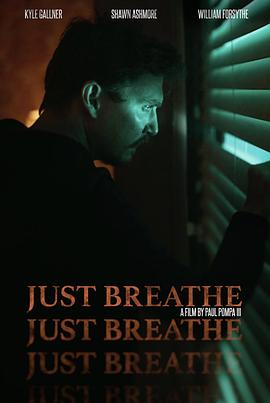
A woman fights to protect herself and her son from her obsessive ex-husband after he buries her alive but she manages to escape, leading to a final struggle to ensure her son's safety.
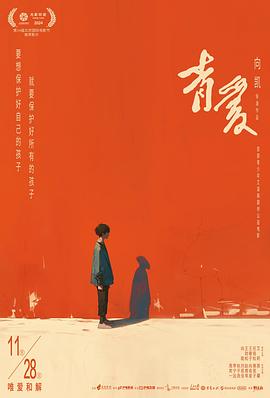
幼年丧母的季杰对父亲季十三积怨颇深,冲突不断。因沈坤的突然出现,季十三不得不将藏在心中十多年的秘密向季杰揭开,父子俩的矛盾在温情中化解。在青爱工程和中海大学公益社团的帮助下,季十三和季杰联手寻找沈坤。
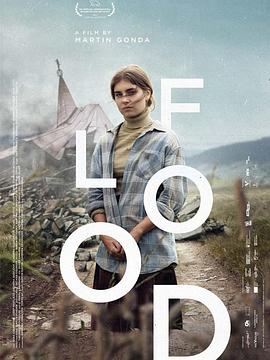
The film delves into the unexplored theme of the displacement of the Rusyn, an East Slavic ethnic group from the Eastern Carpathians in Central Europe, during the construction of the Starina reservoir in the 1980s. Set against this tumultuous backdrop, Flood intertwines personal and collective stories, bringing to the forefront the often-overlooked plight of the Rusyn minority in Slovakia. Gonda's film speaks to minorities, individuals who have experienced displacement and young adults through its protagonist, Mara. The story unfolds in a small village, threatened by an impending flood due to the construction of the reservoir. Mara, a young woman yearning for city life and an education, is bound to her rural roots by her strict father, a Rusyn farmer, who refuses to relinquish his land and legacy despite the looming end of their world. Flood explores the themes of adolescence, uprooting and the sacrifice of personal desires for the greater good. The film seeks to elicit reflections on one's roots and the concept of home, as well as the challenges of navigating a disappearing culture and heritage. The Starina reservoir's construction, which lasted from 1981-1988, led to the largest displacement in Slovak history. Gonda's personal connection to the region, having spent his childhood summers there, adds a layer of authenticity and depth to the narrative. The film not only recounts the physical destruction of the seven Rusyn villages, but also captures the emotional and cultural impact of this event on the community. The director aims to present a deeply researched, emotive and intimate story as well as diving into the complex dynamics between personal identity, community ties and the inexorable march of progress. The movie is poised to engage and challenge audiences, fostering a deeper understanding of the often-painful interplay between tradition and modernity.
电影《疯狂的酒局》讲述张晓军夫妇发现倒卖酱丞相期货酒可以赚钱,于是开始一系列的买卖操作,可实际上他们中了对方的诈骗圈套,为了要回被骗的钱财,夫妇俩斗智斗勇成功抓捕骗子。本部影片根据真实案例改编,是一部反诈骗题材的喜剧电影,该片拥有超强实力的制作团队,极具新意的电影内容。该片有着沉重的背景设定、庞杂的人物关系,故事节奏紧张,情节反转,将会给观众带来不一样的视觉盛宴。
黑域封锁
聚焦一对身上有烧伤疤痕的姐妹,她们被病床上的母亲要求去杀掉父亲——是他虐待妻女,把她们烧伤。两人因此踏上了一场奇特的旅程,是复仇,还是宽恕?
离婚多年的维托和卡拉已经有了各自的新生活,他们的共同连接就是三个孩子。某日小女儿邀请爸爸参加自己的生日派对,但派对后维托突然失踪并遭遇意外,嫌疑人直指前妻卡拉。随着调查展开,维托的家暴史浮出水面……导演利奥纳多·达戈斯蒂尼的这部影片改编自女作家安东内拉·拉坦齐的同名小说,他将悬疑、罪案安置于女性议题中,缓缓呈现女主角内心隐藏的巨大创伤。法国女星莱蒂西娅·卡斯塔担纲主角,倾情演绎一个在婚姻中绝望挣扎的妻子。
Mavka is a dangerous nymph of the forest lake that lure people into its depths for the mermaids to feed on their energy. When she meets Lukian, a biology whizz, Mavka falls in love disrupting the natural order.
尼克·比安科 (Nick Bianco) 因袭击罪入狱一年后,准备与他一生的挚爱重聚,却发现她有了一位新的仰慕者,名叫切斯特 (Chester),而切斯特恰好也是他的假释官。
2004 年深秋西北草原,假交警截停铜矿押运车,炸药破箱、两命陨灭,悍匪携枪遁入茫茫戈壁。刑警杨志刚凭现场足迹与痕迹精准锁凶,追凶途中接连牵出牧民灭口、矿场内鬼、信用社惊天劫案,亡命团伙内讧反杀、边境蛇头黑吃黑连环爆发。黄沙卷着枪火,硬汉以命相搏,一场草原猎凶,每一步都是生死局。
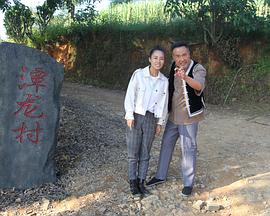
龙潭村是布朗族和汉族混居的一个山村,地处云南施甸县,是山高坡陡的地质灾害区,施甸县委派遣宣传干事付贤达驻村配合回乡建设的大学生村官依诺帮扶龙潭村脱贫致富。依诺大学本科毕业后考取了施甸县大学生村官,回到了自己的家乡龙潭村任职,一年半时间的工作得到了村里人的认可,也因为依诺有学历,原村长和村支书主动让贤,希望依诺能更加尽心尽力地为龙潭村服务,配合县里来的付贤达做好扶贫工作。
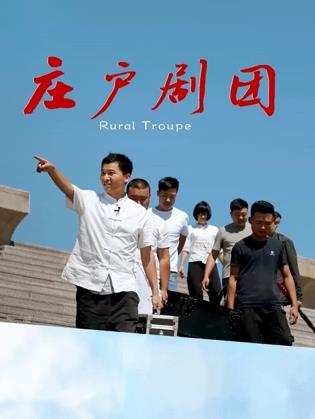
《庄户剧团》自2008年开始积累素材,讲述了创建于清朝末年的济南市钢城区辛庄街道下陈村蟠龙梆子庄户剧团在老龄化危机下面临解散,青年勇挑重担,带动村民拍乡村影片、传承非遗,通过不懈奋斗实现了村民们的梦想,走出一条乡村文化产业发展之路。